
Our Grind Guide
Welcome to our Grind Guide. The Grind Guide is part three of our myroast™ guides developed to help you gain an understanding of everything coffee!
Whether you're a seasoned coffee drinker or just starting to explore the world of coffee, our guides are here to help you understand everything from the basics to the nuances of coffee brewing.
Got a grind preference in mind? Start discovering the range of coffee on offer now!

Grinding is the process of breaking up the coffee bean
Grinding is the process of breaking up the coffee bean, and the consistency of the ground coffee can influence the taste and flavour of the coffee.
For maximum freshness, grind your beans as close as possible to the brew time. To make this possible, we recommend purchasing whole bean coffee and grinding yourself. However, if you don’t have grinding equipment, our vendors may provide an option to purchase pre-ground, but be sure to tell them exactly how you will be brewing it as they will grind to suit your brewing method.
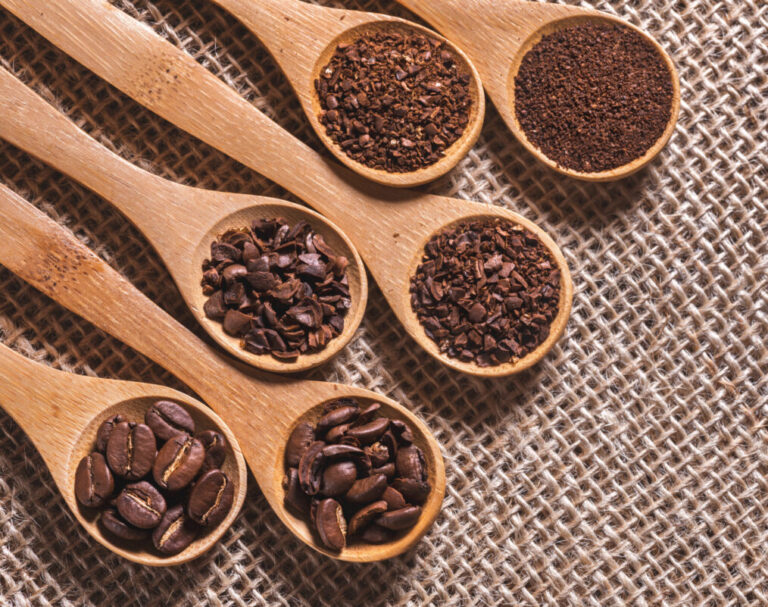
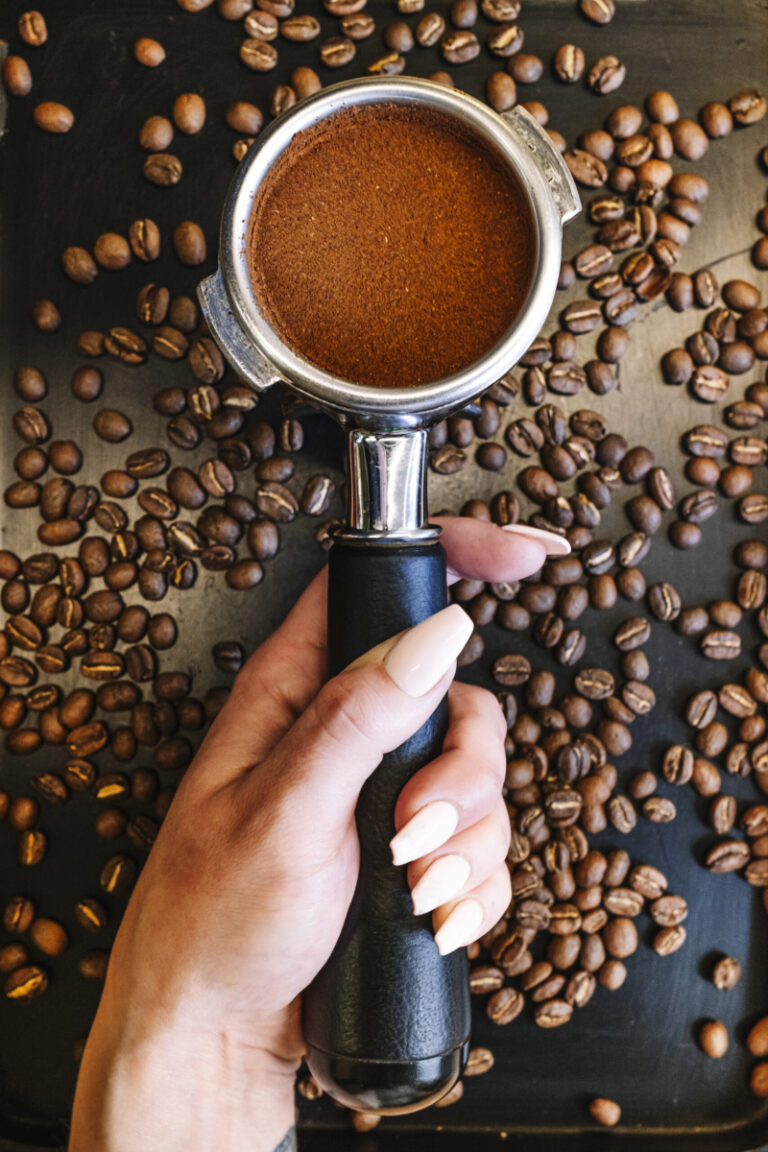
Grind size is important
The size of the grind is important to the taste of your coffee. If your coffee tastes flat, it could be over extracted (or ground too course), however if your coffee tastes bitter, it may be over extracted (or ground too fine):
- Your grounds are too coarse = under extraction. This is when you have not extracted enough flavor.
- Your grounds are too fine = over extracted. This is when you have extracted too much flavor, becoming unpleasant and overpowering.
The type of grinding equipment can have an influence on consistency and extraction, with extraction governing the flavour of your ground coffee. A mill or burr grinder is preferred because the coffee is ground to a consistent size. A blade grinder is less preferable because some coffee will be ground more finely than the rest.
Grind types
Coffee should be ground to suit your desired brewing method, this will ensure sufficient extraction.
If you brewing method isn’t listed below, perhaps review the manufacturer’s recommendations, most will identify the grind size which is appropriate for maximising quality and taste of your coffee.
Alternatively, play around with different grind types and see what suits, while there may be a preferable style, that’s not to suggest your taste buds agree with it.
Extra fine grinds have a powdery texture, similar to flour or powdered sugar. They are used for Turkish coffee, which is brewed by steeping the grounds in hot water.
Brewing Method: Turkish Coffee
Fine grinds have a texture similar to sand or granulated sugar. They are used for espresso machines, Moka pots, and pour-over methods like the Hario V60. The resulting coffee is strong and bold.
Brewing Method: Espresso Machine, Moka Pot (Stovetop Espresso Maker), Aeropress (with 1 minute brew time)
Medium-fine grinds are slightly coarser than fine grinds, with a texture similar to table salt. They are used for pour-over methods like the Kalita Wave and the Chemex. The resulting coffee has a balanced flavour profile and a medium body.
Brewing Method: Aeropress (with 2-3 minute brew time)
Medium grinds have a texture similar to coarse sand. They are used for drip coffee makers and some pour-over methods, like the Clever dripper. The resulting coffee has a balanced flavour profile and a medium body.
Brewing Method: Vacuum Pot / Siphon Coffee, Aeropress (with 3+ minute brew time)
Medium-coarse grinds have a texture similar to rough sand. They are used for some pour-over methods. The resulting coffee is bold and full-bodied.
Brewing Method: Other Filtration or Dripping Devices (Chemex, the Hario V60, The Kalita Wave)
Coarse grinds have a texture similar to kosher salt. They are used for methods like the French press and some drip coffee makers. The resulting coffee is bold and full-bodied.
Brewing Method: French Press, Electric Percolator
Extra coarse grinds have a texture similar to peppercorns. They are used for methods like cold brew and some French press methods. The resulting coffee is mellow and smooth.
Brewing Method: Cowboy Coffee
Tip: Coffee should be ground to suit your brewing method. This ensures a sufficient level of extraction when brewed.
Have you seen all the myroast™ guides?
Want to learn more? Explore the guides and get the insights to make an informed decision.