

How to Store Coffee Beans Properly (And What Never to Do)
You’ve invested in quality beans from a specialty roaster — the last thing you want is to ruin them with poor storage. Coffee is delicate. Exposure to air, moisture, heat, and light all accelerate the staling process, stripping your beans of the complex flavours that make them special. Here’s how to store your coffee properly and keep it tasting its best for longer.
Why Coffee Goes Stale
Once coffee is roasted, it begins to release CO₂ and interact with oxygen — a process called oxidation. This is unavoidable, but you can dramatically slow it down. The four main enemies of fresh coffee are:
- Air (oxygen) — causes oxidation that dulls flavour and creates staleness
- Moisture — leads to mould growth and causes clumping and off-flavours
- Heat — accelerates chemical reactions that break down volatile flavour compounds
- Light — UV light degrades oils and aromatic compounds in the bean
Ground coffee stales much faster than whole beans. If possible, buy whole beans and grind just before brewing.
The Best Way to Store Coffee Beans
Follow these guidelines to keep your beans fresh:
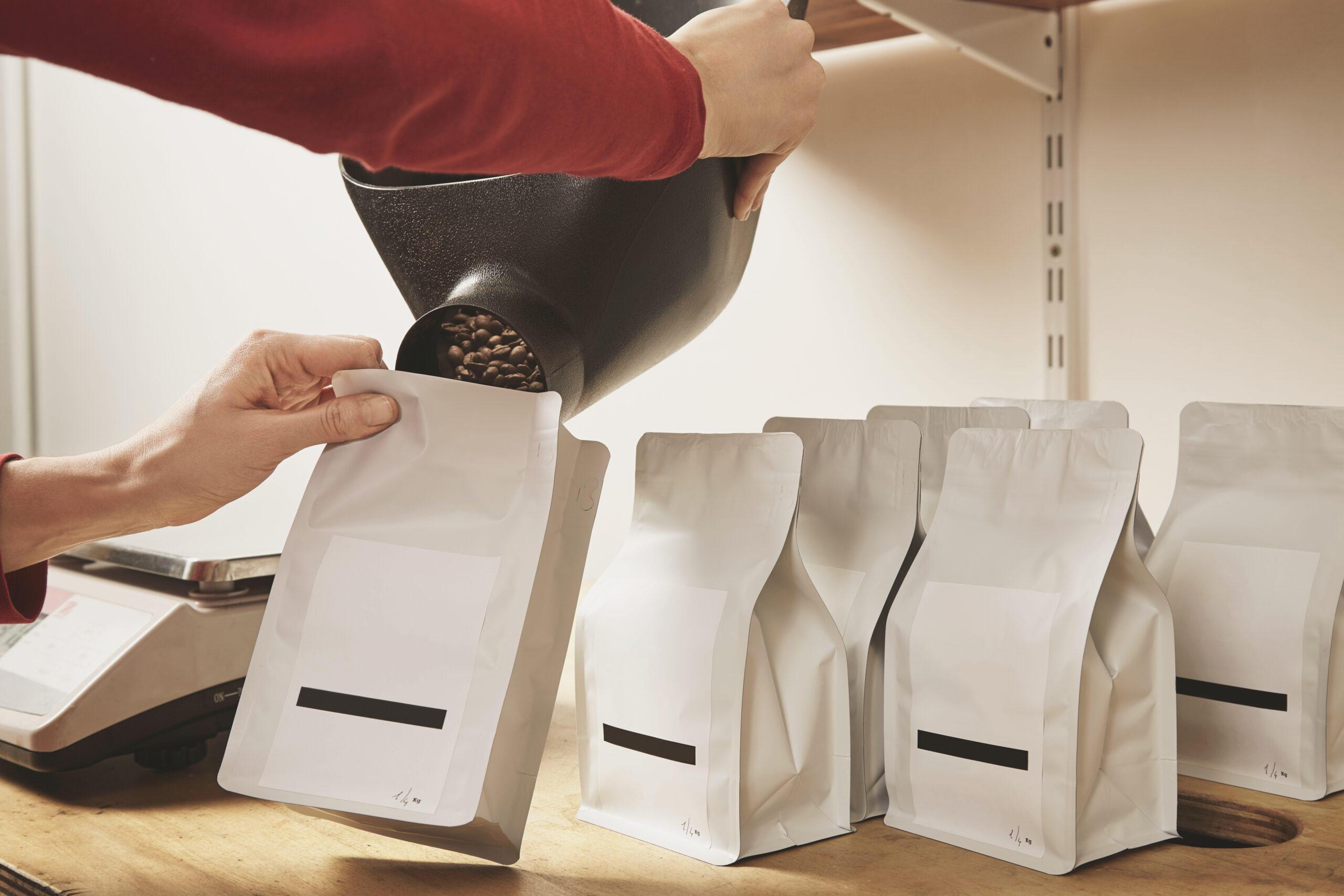
- Use an airtight container — ideally one with a one-way valve (common on specialty coffee bags) that allows CO₂ to escape without letting oxygen in. Ceramic or opaque containers work well.
- Keep at room temperature — a cool, dark cupboard or pantry is ideal. Away from the stove, oven, or any heat source.
- Keep away from light — don’t store beans on a bench where they’re exposed to sunlight or bright kitchen lighting.
- Avoid the fridge — the fridge introduces moisture and coffee can absorb surrounding odours. Not recommended for short-term storage.
- Use within 2–4 weeks of roast date — most specialty coffees are at their best 5–21 days after roasting. Check the roast date, not the best-before date.
Should You Freeze Coffee?
Freezing is controversial, but done correctly it can extend the life of coffee significantly — especially if you’ve bought in bulk. The key rules:
- Only freeze once — thawing and refreezing introduces moisture and degrades flavour rapidly.
- Use airtight, portioned bags — freeze in individual brew-sized portions so you only defrost what you need.
- Allow to come to room temperature before opening — this prevents condensation forming on the beans when they hit the warm air.
- Best for long-term storage only — if you’re drinking your coffee within 2–3 weeks of purchase, room-temperature storage in a sealed container is better.
What Never to Do With Your Coffee Beans
- Don’t store in the original bag after opening if it doesn’t reseal properly — transfer to an airtight container.
- Don’t keep beans near strong-smelling foods — coffee is porous and absorbs odours from nearby spices, garlic, or onion.
- Don’t buy more than you need — buying in smaller quantities more often means fresher coffee every cup.
- Don’t ignore the roast date — “best before” dates are often misleading. A roast date tells you much more about freshness than an expiry date.
Buy Fresh-Roasted Coffee on myroast™
The best storage habits can’t save stale beans. Start with freshly roasted coffee from myroast™ and your cup will thank you. Browse our full range of Australian specialty coffee, including blends and single origins, all roasted to order and delivered to your door.
Share:
Stay in Touch
Most Popular
Subscribe To Our Newsletter
Subscribe now for the freshest updates straight to your inbox.
Categories
Related Posts

The State of Australian Specialty Coffee 2025
A data-driven overview of the Australian specialty coffee market in 2025 — covering market size, café landscape, home brewing trends, online retail growth, and the key forces shaping the industry.

The Coffee Flavour Wheel: A Complete Guide to Understanding Coffee Taste
Discover how the Coffee Flavour Wheel works, how to read it, and how understanding it can transform the way you taste and appreciate specialty coffee.
What Is a Coffee Blend — And How Is It Different to Single Origin?
Coffee blend or single origin — what’s the difference? We explain how blends are made, why roasters blend, and when to choose each.