


What Is a Coffee Blend — And How Is It Different to Single Origin?
Walk into any specialty café or roastery in Australia and you’ll find at least two categories on the menu: blends and single origins. For most coffee drinkers, the distinction is vague at best. But understanding it can genuinely change how you choose and enjoy your coffee. Here’s a complete guide to what a coffee blend actually is — and how it stacks up against single origin.
What Is a Coffee Blend?
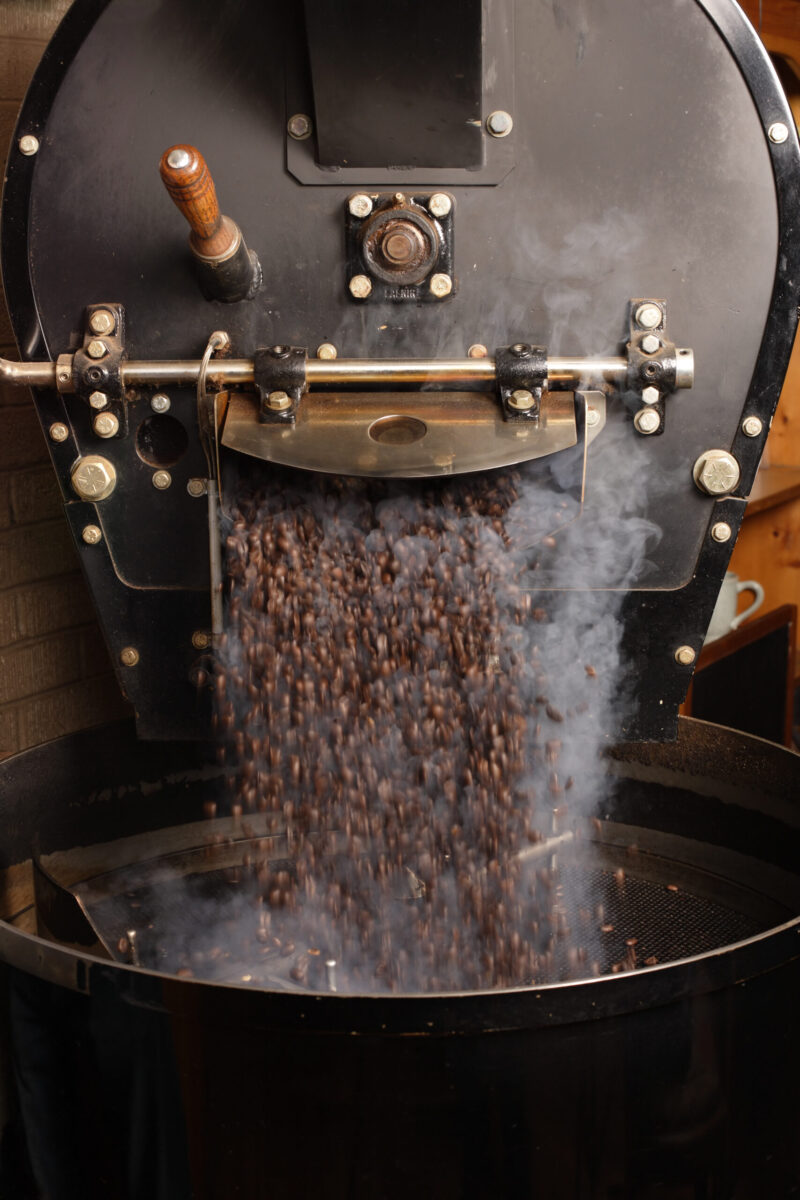
A coffee blend is made from beans sourced from two or more different origins — different countries, regions, farms, or processing lots — combined and roasted together (or separately, then blended after roasting).
The goal of blending is to create a coffee that’s greater than the sum of its parts: a balanced, consistent, and well-rounded cup that combines the best qualities of each component. A roaster might blend a Brazilian bean (low acidity, chocolatey, good body) with an Ethiopian bean (bright, fruity, complex) to create something that has both depth and brightness — a cup neither bean could achieve alone.
Why Do Roasters Blend?
Blending is as much a craft as roasting. Skilled roasters blend for several reasons.
Consistency. Single origin coffees change with the seasons and the harvest. A blend allows a roaster to maintain a consistent flavour profile year-round — important for café house blends where customers expect the same cup every time.
Complexity. A well-crafted blend can achieve a layered flavour profile — the kind that changes as the cup cools — that’s difficult to achieve with a single origin.
Espresso performance. Many blends are specifically designed for espresso, where balance, body, and crema are critical.
Accessibility. A thoughtfully designed blend is often more approachable — it’s less about challenging the palate and more about delivering a reliably enjoyable cup.
What Is a Single Origin Coffee?
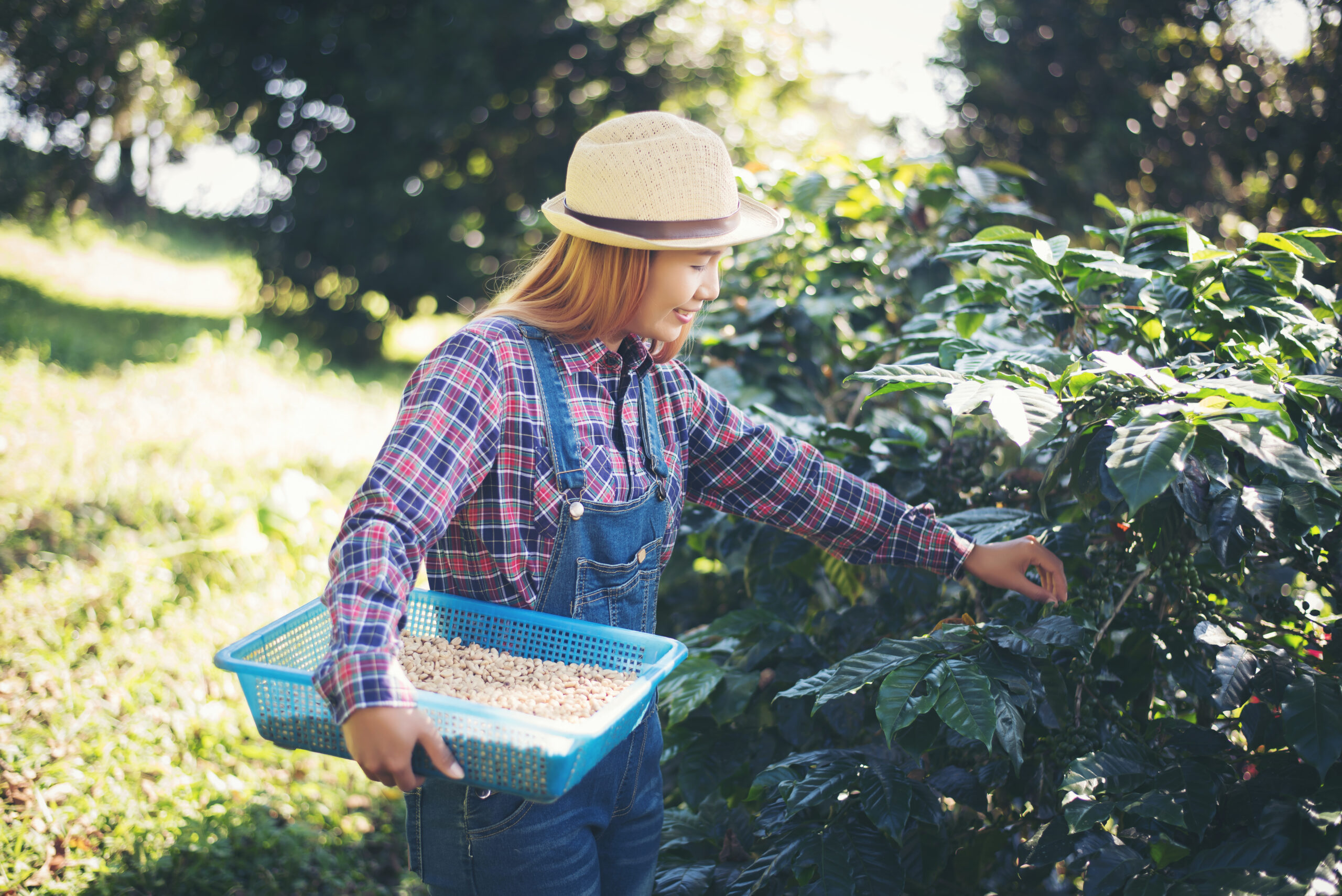
A single origin coffee comes from one specific place — a country, a region, a farm, or in some cases, a single lot or processing batch. The flavour of the coffee is a direct expression of where and how it was grown.
A washed Ethiopian Yirgacheffe might taste like jasmine and bergamot. A natural-processed Brazilian Cerrado might taste like milk chocolate and hazelnut. These characteristics come from the soil, altitude, climate, and processing method of that specific origin.
Single origins are celebrated for their terroir — the idea that the environment in which a plant is grown directly shapes its flavour.
Consistency vs Terroir: The Core Trade-Off
This is the heart of the blend vs single origin debate.
Blends prioritise consistency. They’re engineered to taste the same every time you brew them, regardless of season or harvest year. For everyday drinkers who want reliability — especially in milk-based drinks — a blend is often the better choice.
Single origins prioritise terroir. They’re about experiencing the natural flavour of a specific coffee from a specific place. They can vary between harvests, and that variability is part of the appeal.
Neither is better. They serve different purposes — and the best coffee drinkers have both in their pantry.
When Should You Choose a Blend?
A blend is usually the right choice when you’re making espresso, flat whites, lattes, or other milk-based drinks; when you want a reliable, consistent flavour every morning; when you’re new to specialty coffee and want something approachable; or when you’re buying beans for a household with different taste preferences.
When Should You Choose a Single Origin?
A single origin is usually the right choice when you’re brewing pour over, AeroPress, or filter — methods that highlight nuance; when you’re curious about the flavour differences between growing regions; when you want to experience a specific coffee’s seasonal character; or when you prefer bright, complex, or unusual flavour profiles.
myroast's Approach to Blends and Single Origins
At myroast, we take both seriously. Our blends are crafted for balance and consistency — the kind of coffee that works beautifully as a milk-based espresso drink and holds up under daily use. Our single origins are selected for flavour and character — traceable, interesting, and roasted to highlight what makes each one distinctive.
Whether you’re after a reliable everyday blend or want to explore something more adventurous, you’ll find it in our range. And because we roast to order, you’re always getting beans at their freshest.
Share:
Stay in Touch
Most Popular
Subscribe To Our Newsletter
Subscribe now for the freshest updates straight to your inbox.
Categories
Related Posts

The State of Australian Specialty Coffee 2025
A data-driven overview of the Australian specialty coffee market in 2025 — covering market size, café landscape, home brewing trends, online retail growth, and the key forces shaping the industry.

The Coffee Flavour Wheel: A Complete Guide to Understanding Coffee Taste
Discover how the Coffee Flavour Wheel works, how to read it, and how understanding it can transform the way you taste and appreciate specialty coffee.
What Is a Coffee Blend — And How Is It Different to Single Origin?
Coffee blend or single origin — what’s the difference? We explain how blends are made, why roasters blend, and when to choose each.