The State of Australian Specialty Coffee 2025

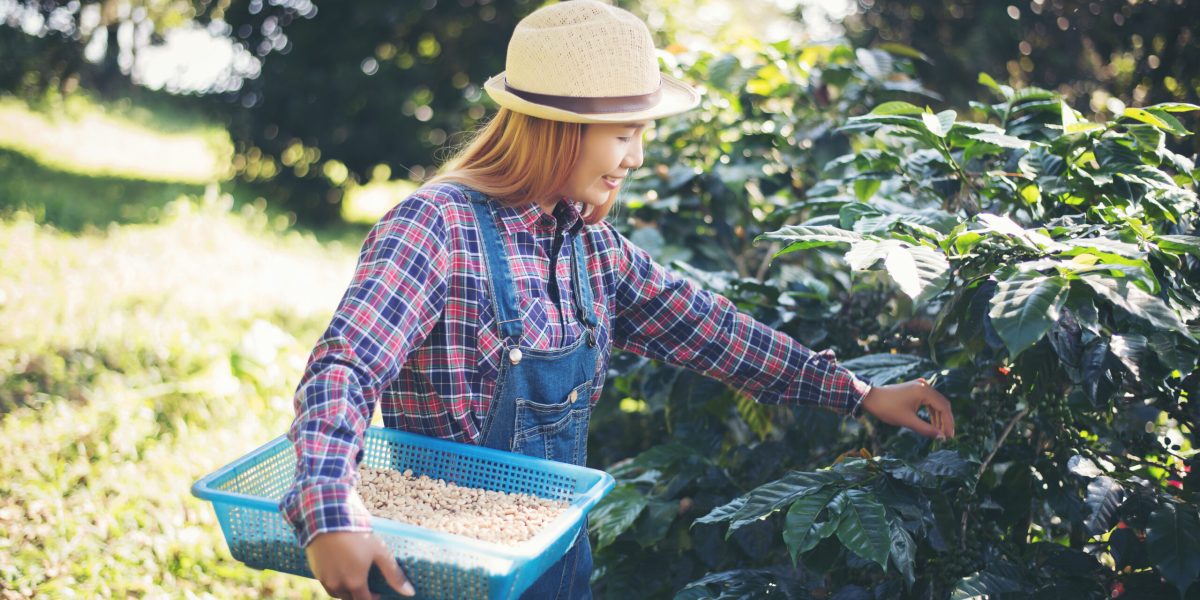
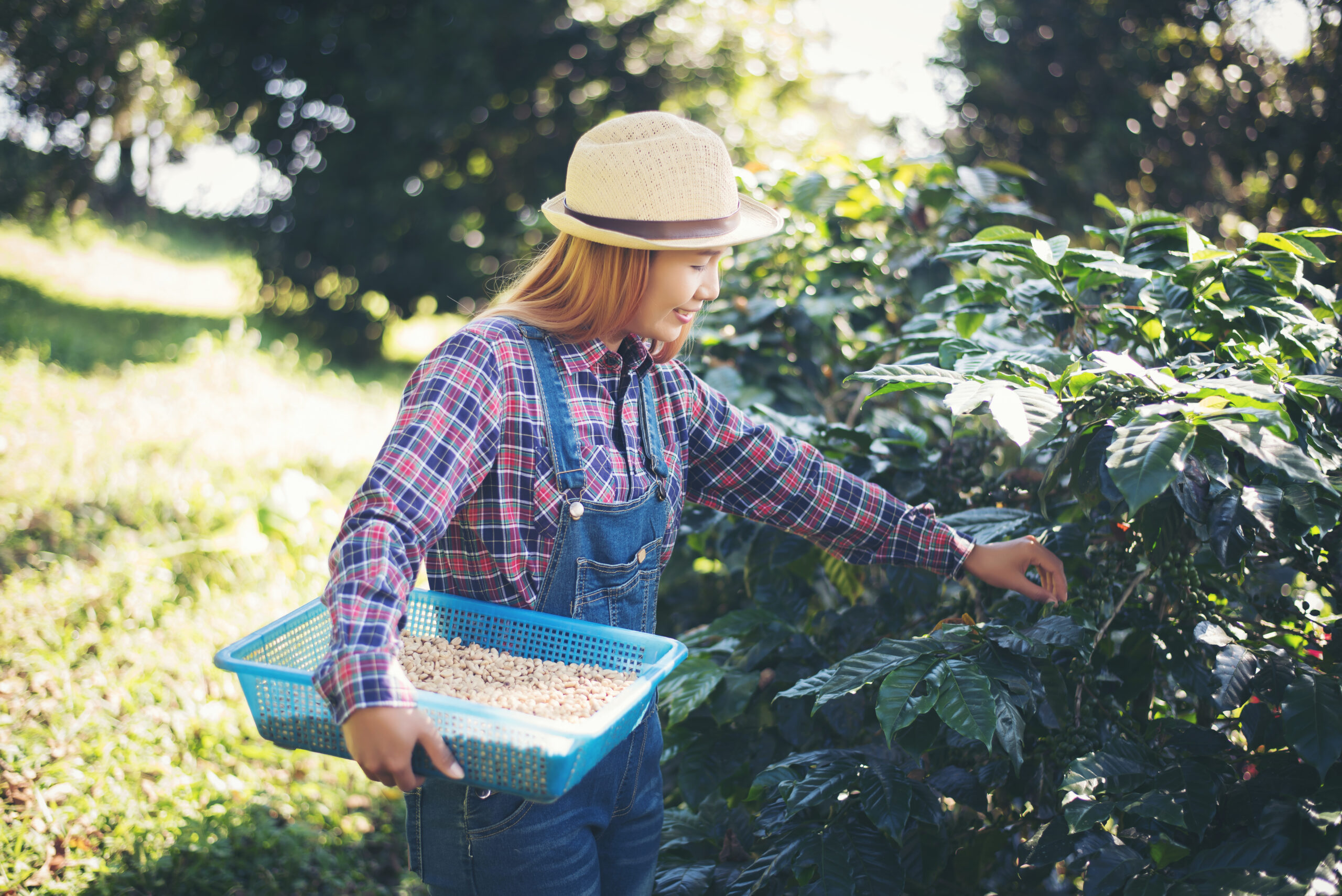
Woman Hand Is Harvesting The Coffee Beans, Picking Coffee Bean F

The State of Australian Specialty Coffee 2025

Australia has one of the most sophisticated coffee cultures in the world. From the flat white’s global takeover to the rise of single-origin espresso bars in regional towns, Australian consumers consistently punch above their weight in specialty coffee consumption and knowledge. Here is a data-driven snapshot of where the industry stands in 2025.

Market Size and Consumption

Australians consume approximately 3.6 kg of coffee per person per year — one of the highest per-capita rates in the Asia-Pacific region. The Australian coffee market generates an estimated AUD $10 billion annually across café, retail, and foodservice channels. Specialty coffee — broadly defined as coffee scoring 80+ on the SCA cupping scale — accounts for an estimated 15–20% of the overall market by volume and significantly more by value.

The Café Landscape

Australia has approximately 20,000 cafés operating nationwide, with the highest concentrations in Melbourne, Sydney, and Brisbane. Melbourne in particular is frequently cited as one of the world’s great coffee cities, with a density of specialty venues, skilled baristas, and consumer discernment that rivals Vienna, Tokyo, and Seattle. The third-wave coffee movement — emphasising origin traceability, precise extraction, and minimal processing — is now well-established in Australia and filtering into regional centres.

The Rise of Home Brewing

The COVID-19 pandemic catalysed a structural shift in Australian coffee consumption that has proven durable. Home espresso machine sales surged 40–60% in 2020–2021 and have remained elevated. By 2024, an estimated 1 in 4 Australian households owned an espresso machine or bean-to-cup device. The pour over and filter segment has grown fastest among specialty enthusiasts, with V60, AeroPress, and Chemex equipment now widely available through mainstream retailers.

Online Coffee Retail

Online coffee subscriptions and direct-to-consumer roaster sales are one of the fastest-growing segments of the market. Consumers increasingly want freshly roasted coffee delivered to their door, cutting out the café markup while maintaining specialty quality. Subscription penetration among specialty coffee drinkers is estimated at 12–18% and growing. Key consumer motivations include freshness guarantees, traceability, and automated replenishment.

Sustainability and Sourcing

Australian specialty coffee consumers are increasingly sustainability-conscious. Third-party certifications (Rainforest Alliance, Fair Trade) and direct trade relationships are becoming standard expectations. 72% of specialty coffee buyers in a 2024 industry survey cited ethical sourcing as “important” or “very important” in their purchasing decisions. Recyclable or compostable packaging has become table stakes in the online retail segment.

Key Trends for 2025 and Beyond

Micro-lot and traceable lots are commanding increasing premiums as consumers connect with farm stories. Cold brew and ready-to-drink (RTD) coffee continues strong double-digit growth. Non-dairy milk now accounts for over 35% of café milk orders. AI-assisted brewing recommendations and personalised subscription curation are emerging in online retail. And domestically grown Australian coffee is growing as a premium provenance play for consumers who want to support local agriculture.

At myroast™, we source specialty-grade beans from origin and roast them fresh to order — so you get the best of what the global and local specialty market has to offer, delivered to your door.

Share:

On Key

Related Posts

Woman Hand Is Harvesting The Coffee Beans, Picking Coffee Bean F

The State of Australian Specialty Coffee 2025

A data-driven overview of the Australian specialty coffee market in 2025 — covering market size, café landscape, home brewing trends, online retail growth, and the key forces shaping the industry.