


How Coffee Is Processed: Washed, Natural and Honey Explained

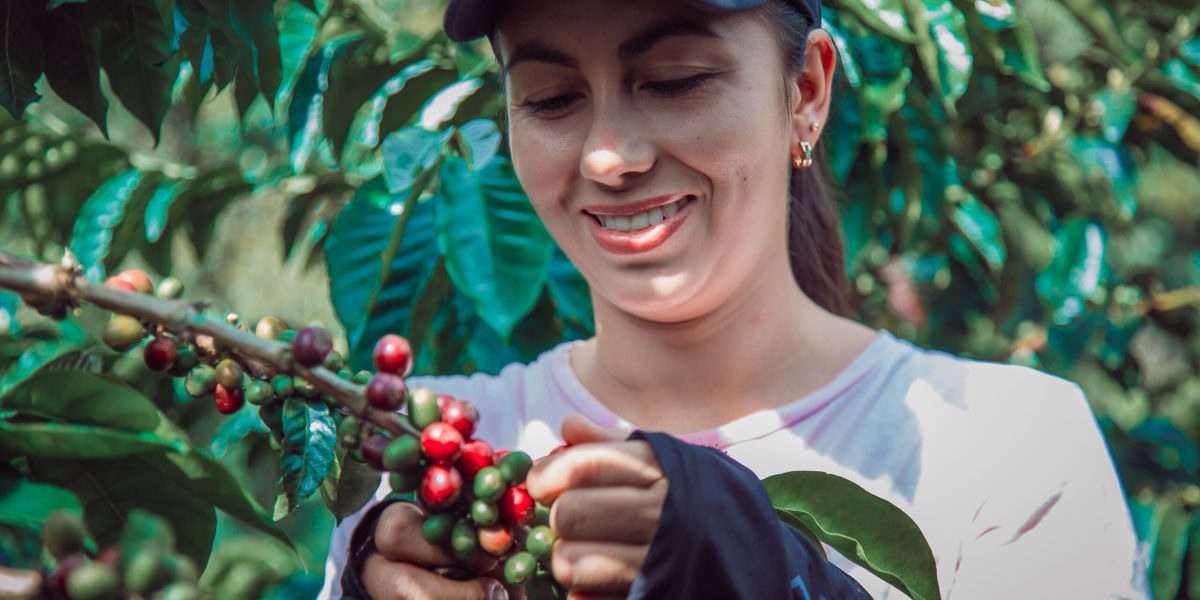
Hispanic Female Farmer Harvesting Coffee In The Farm

How Coffee Is Processed: Washed, Natural and Honey Explained

When you read a specialty coffee bag and see terms like “washed,” “natural,” or “honey process,” you’re reading about something fundamental to the coffee’s flavour: how the coffee cherry was processed after harvesting. Processing method is one of the most significant factors shaping the taste of your cup — often even more influential than origin or variety. Here’s what each method means.

The Coffee Cherry: Where It All Starts

Coffee grows inside a fruit — the coffee cherry. Each cherry typically contains two seeds (the coffee beans) surrounded by several layers: the outer skin (pulp), a sticky fruit layer called mucilage, a thin parchment layer, and finally the silver skin directly on the bean. Processing refers to how farmers separate the beans from these surrounding layers after harvest — and whether those layers are removed before or after drying fundamentally changes the flavour of the final bean.

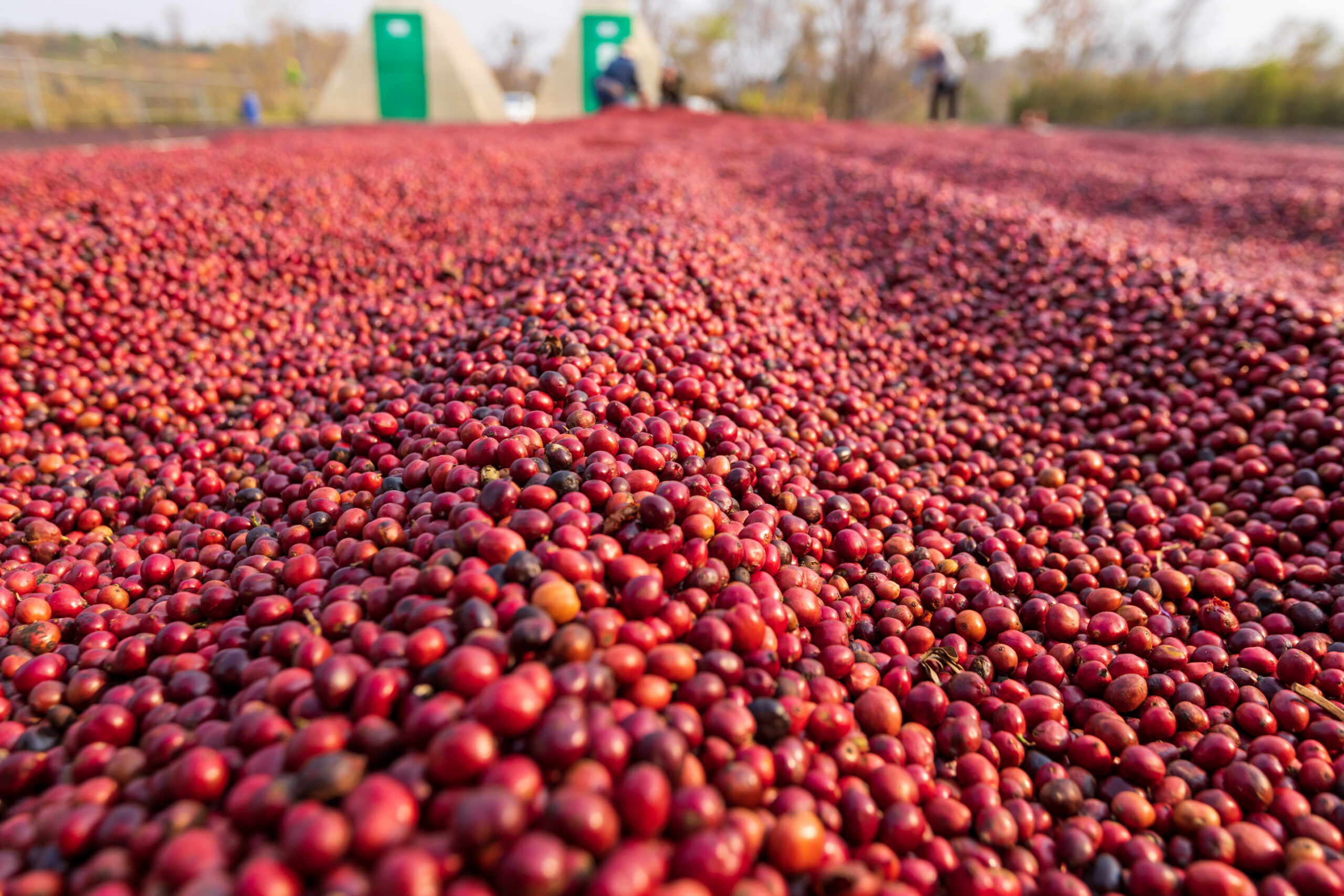
Coffee Beans Drying In The Sun. Coffee Plantations At Coffee Far
Coffee beans drying in the sun on raised beds at a coffee plantation

Washed (Wet) Process: Clean, Bright and Transparent

In the washed process, the coffee cherry’s outer fruit is removed immediately after harvest using a pulping machine. The mucilage is then fermented and washed off with water before the beans dry on raised beds. Because the fruit is removed early, the coffee bean is directly influenced by fermentation and has minimal fruit residue remaining when it dries.

Flavour result: Washed coffees tend to be clean, bright, and transparent — they clearly express the characteristics of the bean’s origin and variety. Expect high acidity, clarity, and delicate flavour complexity.

Common origins: Ethiopia (washed Yirgacheffe), Colombia, Kenya, Guatemala.

Natural (Dry) Process: Fruity, Sweet and Complex

In the natural process — the oldest method — whole, intact coffee cherries are laid out to dry in the sun for weeks. The fruit dries around the bean, and as it does, sugars and flavour compounds from the cherry ferment into the bean. Only once fully dry is the dried fruit hull removed.

Flavour result: Natural coffees are dramatically different — rich, fruity, wine-like, and intense. You’ll find pronounced notes of blueberry, strawberry, dark chocolate, and even fermented fruit. The body is heavier and the sweetness is amplified.

Common origins: Ethiopia (natural Harrar), Brazil, Yemen.

Honey Process: The Best of Both Worlds

The honey process (also called pulped natural) is a hybrid method. The outer skin is removed but varying amounts of mucilage (“honey”) are left on the bean as it dries. The amount of mucilage left determines the “colour” designation — Yellow Honey (least mucilage), Red Honey, and Black Honey (most mucilage, longest drying time).

Flavour result: Honey-processed coffees sit between washed and natural — more sweetness and body than washed, less intense fruitiness than natural. Expect caramel, stone fruit, and smooth acidity.

Common origins: Costa Rica, El Salvador, Brazil.

Explore Coffees by Processing Method on myroast™

Processing method is one of the most exciting dimensions to explore in specialty coffee. Try a washed Ethiopian alongside a natural from the same country and experience the dramatic difference that processing makes. Browse single origin coffees on myroast™ — many listings include detailed processing information to help you choose.

Share:

On Key

Related Posts

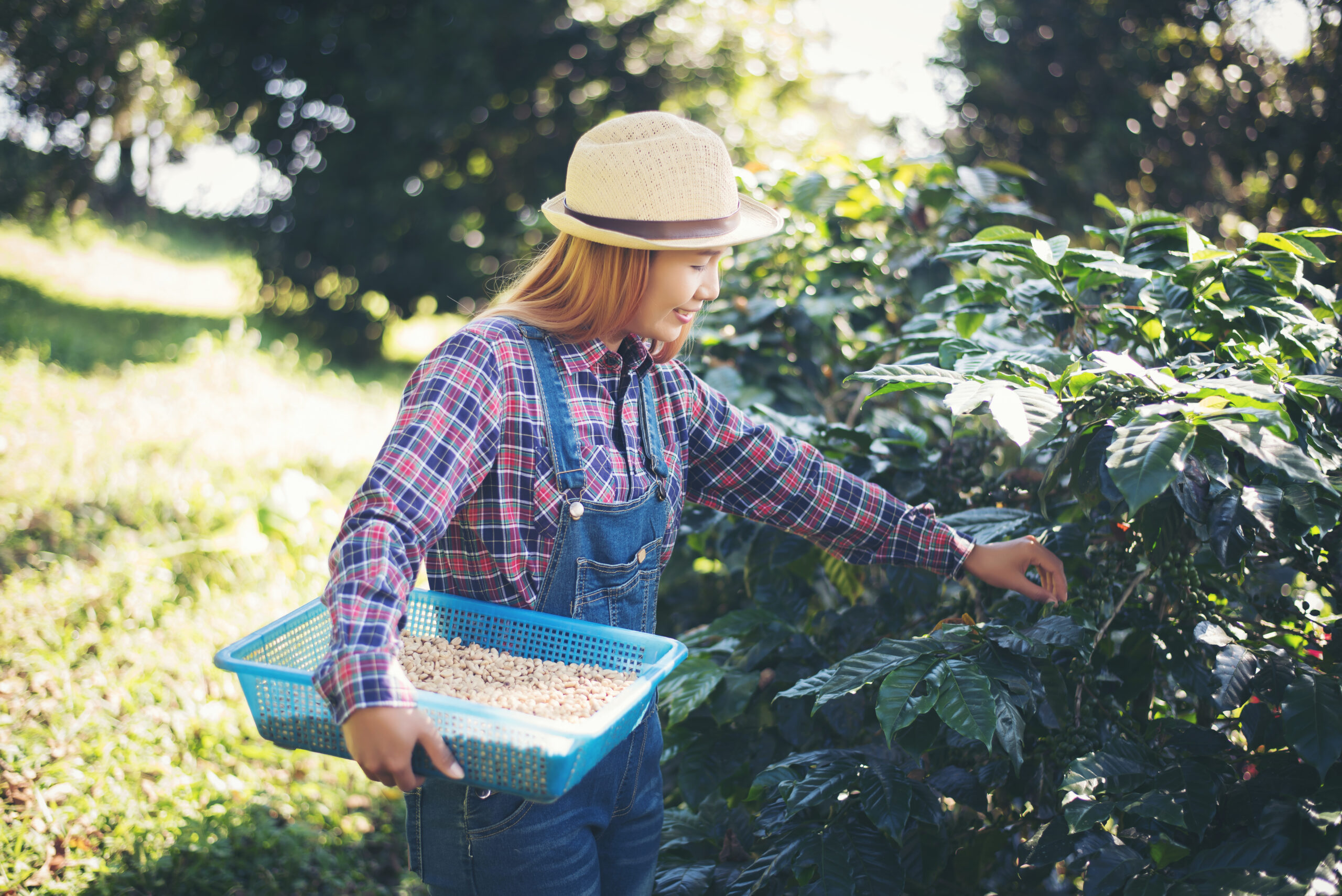
Woman Hand Is Harvesting The Coffee Beans, Picking Coffee Bean F

The State of Australian Specialty Coffee 2025

A data-driven overview of the Australian specialty coffee market in 2025 — covering market size, café landscape, home brewing trends, online retail growth, and the key forces shaping the industry.