

How to Taste Coffee Like a Barista: A Guide to Cupping

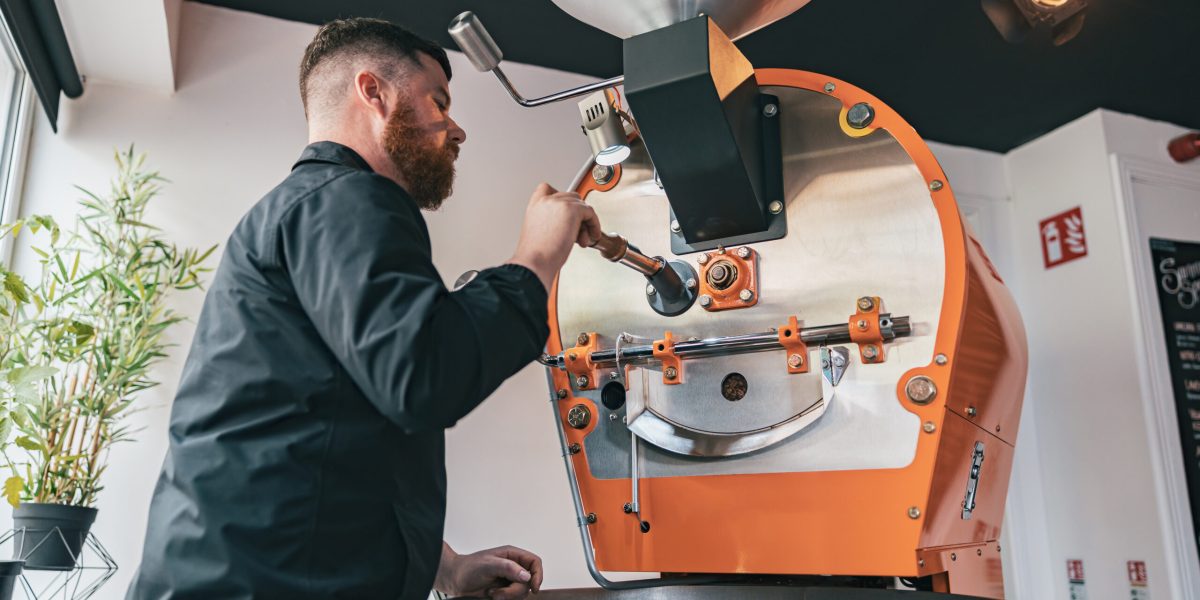
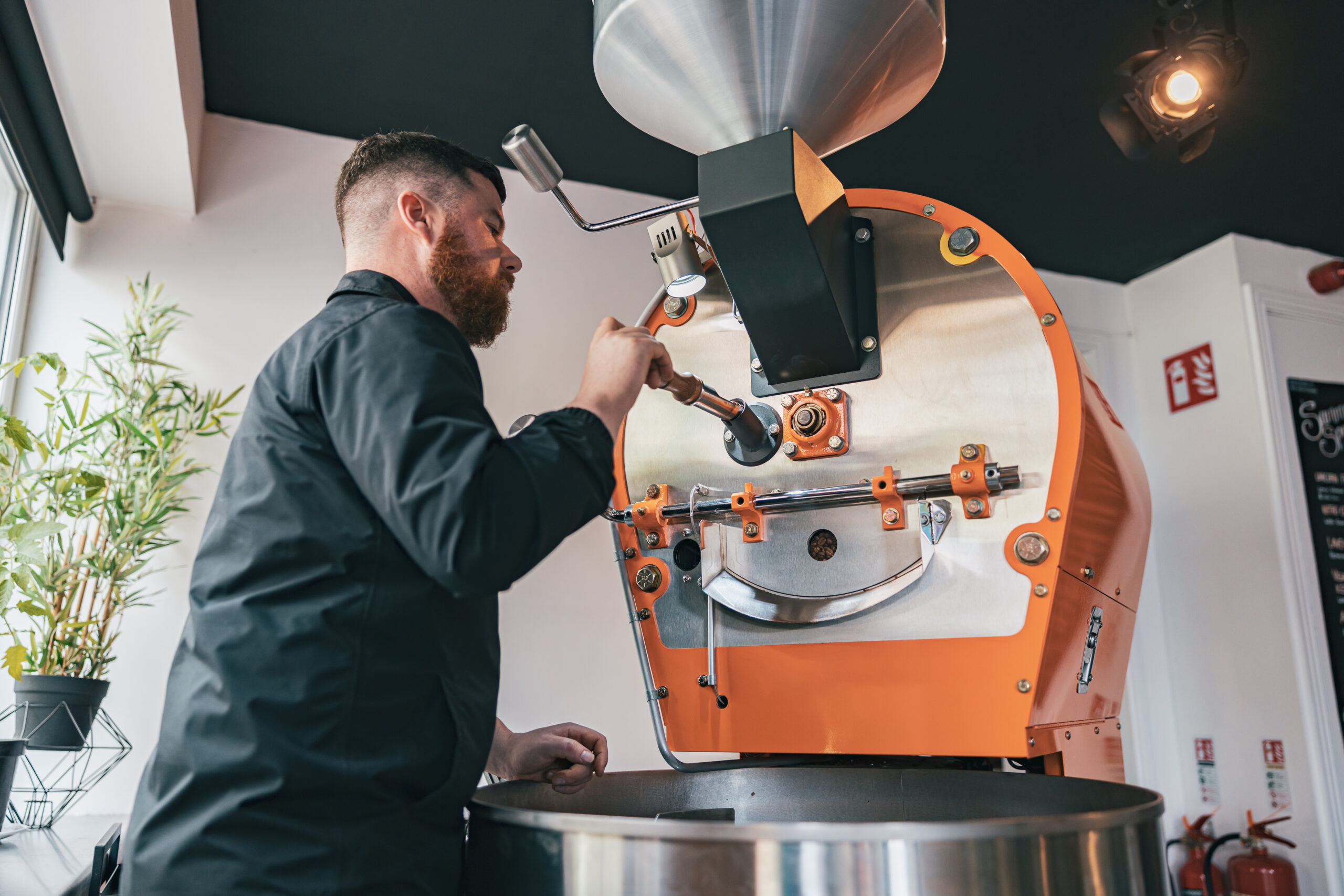
Professional Barista Operating Modern Coffee Bean Roasting Machine
A professional barista operating a modern coffee grinder and cupping station

How to Taste Coffee Like a Barista: A Guide to Cupping

Professional coffee tasters don’t just drink coffee — they cup it. Cupping is the standardised method used by roasters, buyers, and quality graders worldwide to objectively evaluate coffee’s flavour, aroma, body, and balance. It’s the language of the specialty coffee industry. But cupping isn’t just for professionals — it’s a practical and enjoyable way for any coffee lover to develop their palate and deepen their appreciation of what’s in the cup.

What Is Cupping?

Cupping is a simple, consistent brewing method designed to remove variables so the coffee’s inherent quality shines through. Unlike espresso or pour over, cupping uses no filter and no complex technique — just ground coffee, hot water, and time. The SCA (Specialty Coffee Association) has a standardised cupping protocol used by Q Graders and roasters globally when evaluating beans.

The simplicity is the point: by keeping all variables constant, you can compare multiple coffees side by side with confidence that you’re tasting the coffee, not the brew method.

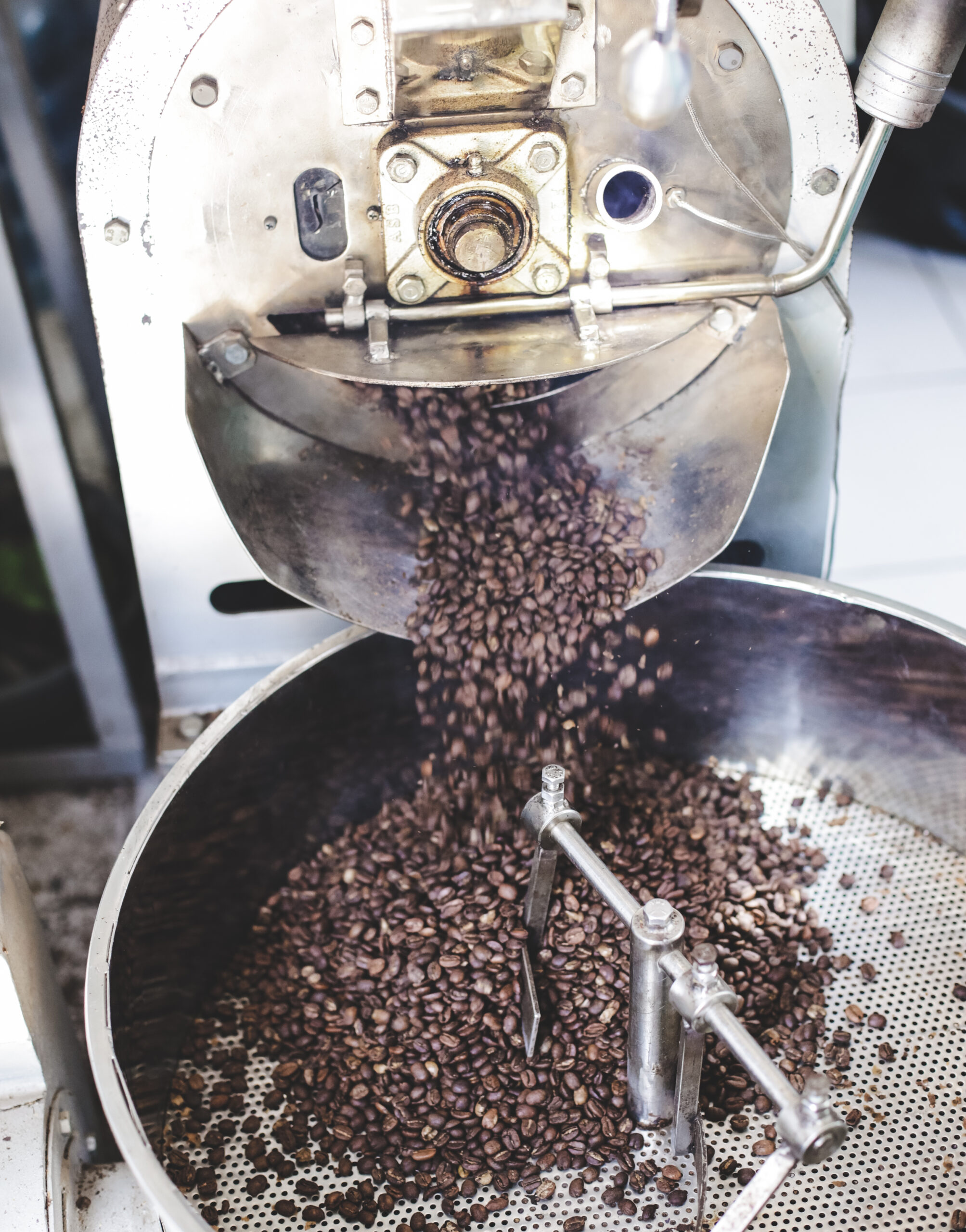
Coffee Beans Roasting Process 2021 08 26 18 51 46 Utc
Coffee beans during the roasting process — a critical step in developing flavour

How to Cup Coffee at Home: Step by Step

  1. Grind your coffee medium-coarse — 8.25g of coffee per 150ml of water (a roughly 1:18 ratio).
  2. Smell the dry grounds — this is called the “dry aroma” or “fragrance.” Note what you perceive before any water is added.
  3. Add water at 93°C directly over the grounds and start a 4-minute timer. Do not stir.
  4. Break the crust at 4 minutes by pushing through the layer of floating grounds with a spoon. Smell the “wet aroma” as the crust breaks — this is an important evaluation step.
  5. Skim the surface — remove the floating grounds and any foam.
  6. Wait until 70–80°C, then taste using a cupping spoon — slurp the coffee audibly to aerate it across your palate. Note aroma, flavour, acidity, body, and sweetness.
  7. Taste again as it cools — flavour profiles change significantly as coffee cools. Good coffees become sweeter and more complex.

What to Look for When Cupping

Use the SCA Coffee Flavour Wheel as a reference and evaluate these key attributes:

  • Aroma — what do you smell? Floral, fruity, chocolatey, earthy, roasty?
  • Flavour — the overall taste impression. What specific notes can you identify?
  • Acidity — the brightness or liveliness of the coffee. Not necessarily “sour” — acidity in specialty coffee is more like citrus brightness.
  • Body — the weight and texture of the coffee in your mouth. Light like tea, or heavy and syrupy?
  • Sweetness — does the coffee have a natural sweetness, or does it finish dry and bitter?
  • Aftertaste — what lingers after you swallow? Clean, pleasant, or harsh?
  • Balance — do all the elements work together harmoniously?

Develop Your Palate with myroast™

The best way to develop your cupping skills is to cup multiple coffees regularly. Try cupping a washed Ethiopian next to a natural Brazilian and a honey-processed Costa Rican — the differences will be striking. myroast™ makes it easy to source a variety of freshly roasted specialty coffees from Australian roasters for your home cupping sessions. Browse single origins and start tasting like a barista.

Share:

On Key

Related Posts

Woman Hand Is Harvesting The Coffee Beans, Picking Coffee Bean F

The State of Australian Specialty Coffee 2025

A data-driven overview of the Australian specialty coffee market in 2025 — covering market size, café landscape, home brewing trends, online retail growth, and the key forces shaping the industry.