

Decaf Coffee: Is It Actually Good?

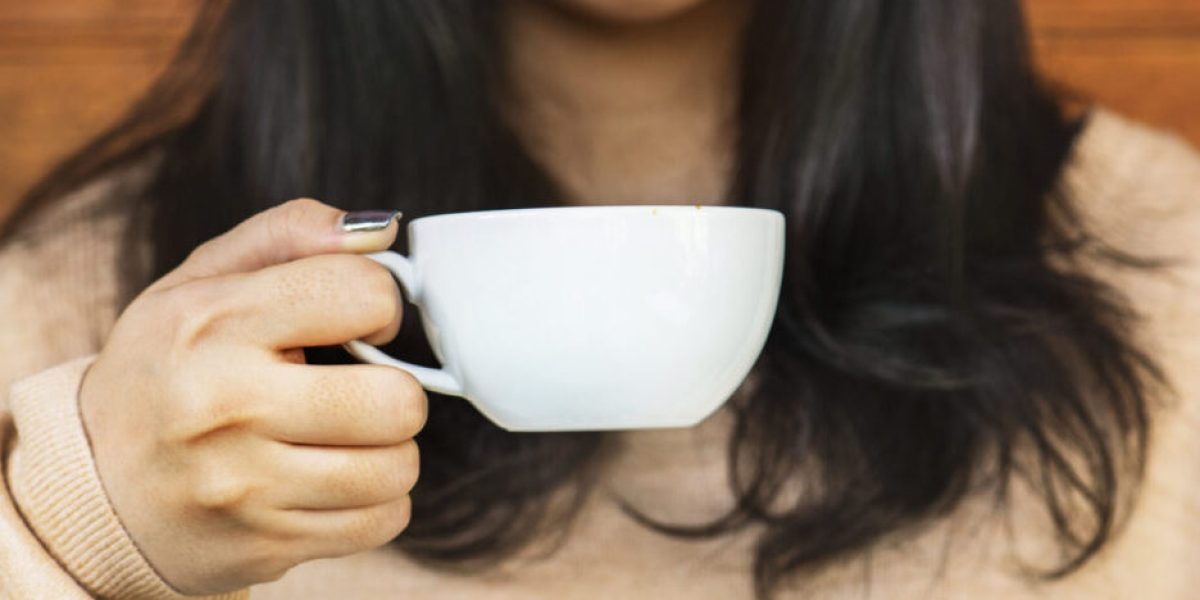
Woman Enjoying Coffee On The Weekend 2022 12 16 00 29 40 Utc Scaled E1679031513572

Decaf Coffee: Is It Actually Good?

Decaf coffee has a reputation problem. For years, it was considered an inferior option — weak, flavourless, and only for people who “can’t handle” real coffee. But that reputation is outdated. Modern decaffeination methods have advanced dramatically, and in the specialty coffee world, high-quality decaf is taken seriously. So — is decaf actually good? The short answer: yes, when done well.

How Is Decaf Coffee Made?

There are several decaffeination methods, and they vary significantly in how well they preserve the coffee’s original flavour:

  • Swiss Water Process — the most common method in the specialty world. Green coffee beans are soaked in hot water, which draws out caffeine and flavour compounds. The water is then filtered through activated charcoal to remove the caffeine, and the beans are re-soaked in the flavour-rich (caffeine-free) water. This process is chemical-free and tends to produce the best-tasting decaf.
  • CO₂ Process — supercritical CO₂ is used to selectively extract caffeine. Very effective at preserving flavour but expensive — typically reserved for premium decaf.
  • Solvent Process (methylene chloride or ethyl acetate) — cheaper and widely used in commercial decaf. While considered safe at regulated levels, specialty roasters tend to avoid it.

Look for Swiss Water Process or CO₂ decaf from specialty roasters — these will taste dramatically better than supermarket decaf.

Handsome Man Sits At The Kitchen Table With Cup Of Morning Tea Or Coffee And Smiling Looking At The Camera
A man relaxing at the kitchen table enjoying a quiet cup of coffee

What Does Decaf Taste Like?

High-quality decaf from a specialty roaster can be genuinely excellent — complex, sweet, and satisfying. The Swiss Water Process preserves origin character remarkably well, so a naturally processed Colombian or Brazilian decaf can still express chocolatey, nutty, or fruity notes.

That said, decaf will never be identical to its caffeinated counterpart — caffeine itself contributes slightly to bitterness and body, so decaf cups tend to taste marginally softer. But the gap between good decaf and regular specialty coffee is far smaller than most people expect.

Who Should Drink Decaf?

Decaf is perfect for:

  • People who are sensitive to caffeine or experience anxiety, heart palpitations, or sleep disruption from caffeine
  • Pregnant or breastfeeding people who want to reduce caffeine intake
  • Anyone who loves coffee but wants to enjoy it in the afternoon or evening without affecting sleep
  • People with certain health conditions who have been advised to limit caffeine

And of course — anyone who simply prefers to drink less caffeine without giving up the ritual and flavour of a good cup of coffee.

Find Specialty Decaf on myroast™

Not all decaf is created equal. At myroast™, you’ll find specialty-grade decaf coffees from Australian roasters who take decaffeination as seriously as the rest of their range. Browse our decaf coffee range and discover that decaf can be genuinely delicious.

Share:

On Key

Related Posts

Woman Hand Is Harvesting The Coffee Beans, Picking Coffee Bean F

The State of Australian Specialty Coffee 2025

A data-driven overview of the Australian specialty coffee market in 2025 — covering market size, café landscape, home brewing trends, online retail growth, and the key forces shaping the industry.