



The Moka Pot: How to Use It and Why Italians Love It
The moka pot is one of the most iconic coffee brewing devices in the world. Invented in Italy in 1933 by Alfonso Bialetti, the stovetop brewer became a staple in Italian homes and has remained largely unchanged for nearly a century. Today it’s beloved globally for producing a rich, intense, espresso-adjacent coffee with minimal equipment and fuss. Here’s everything you need to know.
How the Moka Pot Works
The moka pot has three chambers: a bottom boiler that holds water, a middle filter basket that holds finely ground coffee, and a top chamber that collects the brewed coffee. Here’s what happens when you place it on the heat:
- Water in the bottom chamber heats and builds pressure.
- Pressurised steam forces hot water up through the coffee grounds in the filter basket.
- Brewed coffee rises into the top chamber through a central tube.
- The distinctive gurgling sound signals the brew is almost complete.
It’s not true espresso — the pressure produced by a moka pot (around 1–2 bar) is far less than the 9 bar used in an espresso machine — but the result is concentrated, bold, and deeply flavoured.
How to Brew the Perfect Moka Pot Coffee
- Fill the bottom chamber with hot water up to the safety valve. Starting with hot water prevents over-heating the grounds before extraction begins.
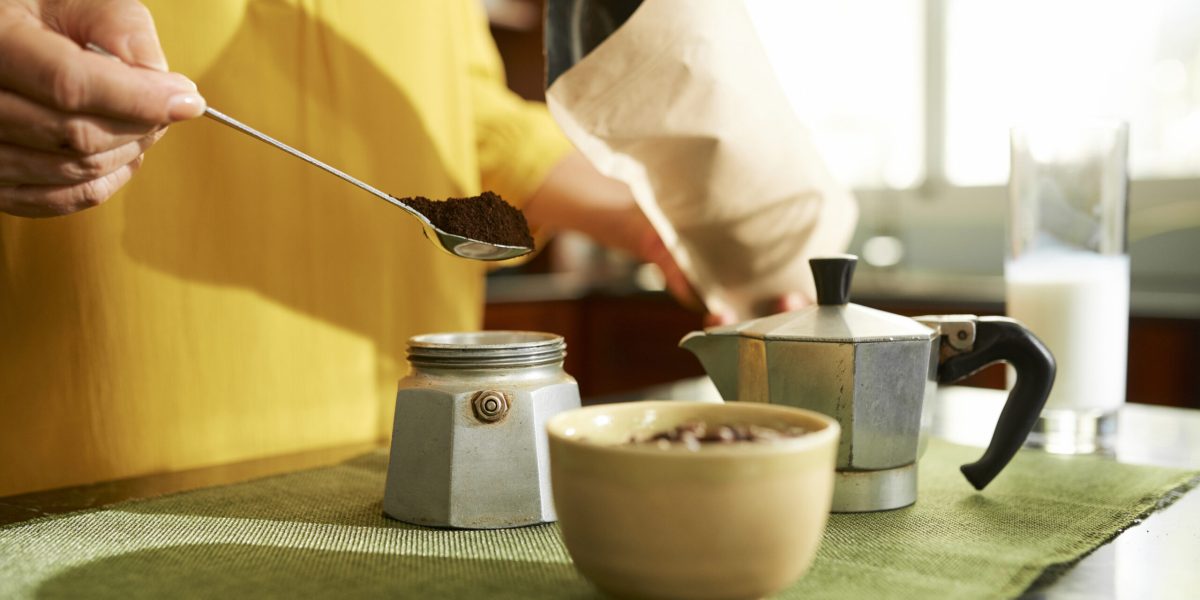
- Fill the filter basket with finely ground coffee (slightly coarser than espresso). Don’t tamp — just level the grounds with your finger.
- Assemble the pot and place it on medium-low heat. Keep the lid open so you can watch the extraction.
- As coffee begins to fill the top chamber, watch for a change from dark, thick flow to a lighter, sputtering stream — this signals the end of extraction.
- Remove from heat immediately and run the base under cold water to stop extraction. This prevents a bitter, over-extracted cup.
- Pour and enjoy — serve straight, or use as a base for a long black, cappuccino, or latte.
Which Coffee Works Best in a Moka Pot?
Moka pot suits medium to dark roast coffees — Brazilian, Colombian, and Italian-style blends work beautifully. The intensity of the brew amplifies chocolate and caramel notes while taming excessive acidity. Avoid very light roasts — their delicate flavours can taste flat or sour under stovetop pressure.
Find the perfect moka pot coffee on myroast™ blends — freshly roasted and delivered from Australian specialty roasters.
Why Italians Love the Moka Pot
In Italy, the moka pot isn’t just a brewing device — it’s a cultural institution. It’s the sound and smell of morning. Nearly every Italian household owns one, and the ritual of brewing moka coffee is deeply embedded in daily life. Its simplicity, durability, and the quality of the cup it produces have made it beloved across generations.
If you haven’t tried brewing with a moka pot, you’re missing one of coffee’s great pleasures. Pick up some freshly roasted beans at myroast™ and give it a try.
Share:
Stay in Touch
Most Popular
Subscribe To Our Newsletter
Subscribe now for the freshest updates straight to your inbox.
Categories
Related Posts

The State of Australian Specialty Coffee 2025
A data-driven overview of the Australian specialty coffee market in 2025 — covering market size, café landscape, home brewing trends, online retail growth, and the key forces shaping the industry.

The Coffee Flavour Wheel: A Complete Guide to Understanding Coffee Taste
Discover how the Coffee Flavour Wheel works, how to read it, and how understanding it can transform the way you taste and appreciate specialty coffee.
What Is a Coffee Blend — And How Is It Different to Single Origin?
Coffee blend or single origin — what’s the difference? We explain how blends are made, why roasters blend, and when to choose each.