


Pour Over vs French Press: Which Brew Method Is Right for You?
Two of the most popular manual brew methods — pour over and French press — produce remarkably different cups despite using the same basic ingredients. One is clean and delicate; the other is rich and full-bodied. Understanding how each works will help you decide which fits your taste, lifestyle, and the coffees you love.
How Pour Over Works
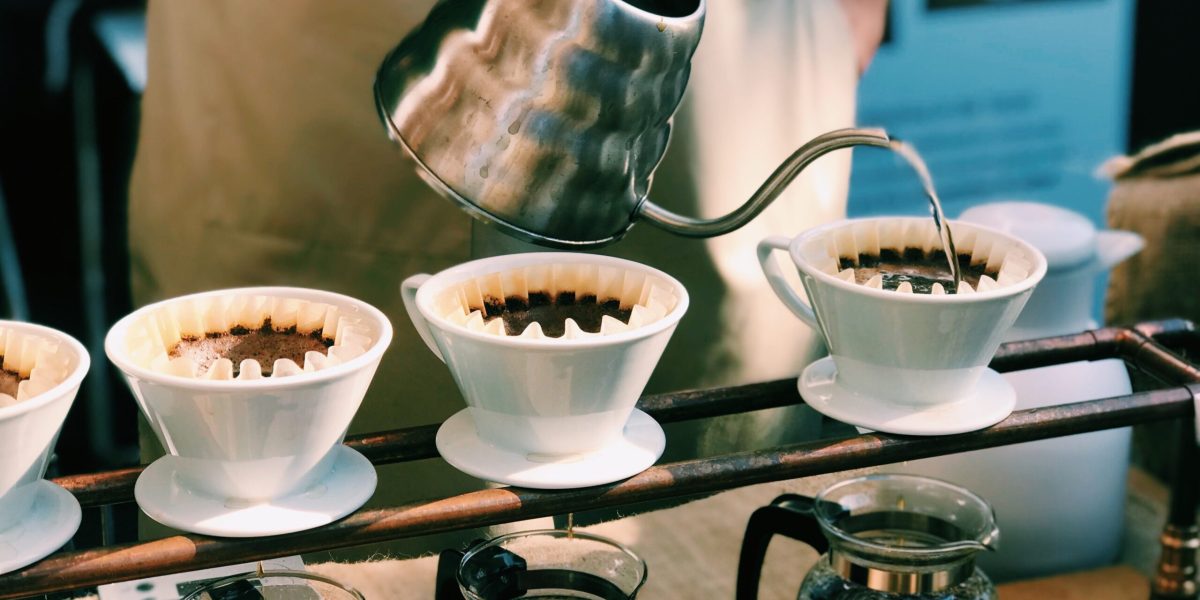
Pour over coffee is brewed by slowly pouring hot water over ground coffee held in a paper (or metal) filter. As water flows through the grounds and filter, it drips into a vessel below. The process typically takes 3–5 minutes, and the brewer controls every variable: pour speed, water temperature, and bloom time.
What you get: A very clean, clear cup with vibrant acidity and complex, nuanced flavour. The paper filter removes oils and fine particles, producing a lighter-bodied brew that highlights origin characteristics beautifully.
Popular pour over devices: Hario V60, Chemex, Kalita Wave, Origami Dripper.
Best for: Light to medium roast single origin coffees where you want to taste the full flavour complexity.
Grind size: Medium to medium-fine.
How French Press Works
French press (also called a cafetière or plunger) is an immersion brew method — ground coffee steeps directly in hot water for 4 minutes, then a metal mesh plunger is pressed down to separate the grounds from the liquid. No paper filter is used.
What you get: A full-bodied, rich, textured cup. The metal filter allows coffee oils and fine particles to pass through, giving the brew more weight and a slightly more complex, rustic character. Some sediment at the bottom of the cup is normal.
Best for: Medium to dark roast coffees — blends and single origins that have chocolatey, nutty, or caramel notes.
Grind size: Coarse — this is critical. Too fine and the brew will be muddy and bitter.
Pour Over vs French Press: A Direct Comparison
Here’s a quick side-by-side to help you decide:
- Body: Pour over = light and clean | French press = full and rich
- Clarity: Pour over = very clear | French press = slightly hazy, may have sediment
- Flavour: Pour over = nuanced, bright, origin-forward | French press = bold, textured, less delicate
- Time: Pour over = 3–5 min active | French press = 4 min steep + press
- Skill required: Pour over = moderate (pour technique matters) | French press = low (very forgiving)
- Equipment cost: Pour over = low to moderate | French press = low
- Best roast: Pour over = light/medium | French press = medium/dark
Which Should You Choose?
If you’re drawn to clean, fruity, delicate flavours and enjoy the ritual of careful brewing, start with pour over. If you prefer a bold, hearty cup with minimal fuss, French press is for you. Many coffee lovers own both — they serve different purposes and different moods.
The most important thing is using great coffee for either method. Explore freshly roasted beans from Australian specialty roasters at myroast™ and discover which coffees shine brightest in your preferred brew method.
Share:
Stay in Touch
Most Popular
Subscribe To Our Newsletter
Subscribe now for the freshest updates straight to your inbox.
Categories
Related Posts

The State of Australian Specialty Coffee 2025
A data-driven overview of the Australian specialty coffee market in 2025 — covering market size, café landscape, home brewing trends, online retail growth, and the key forces shaping the industry.

The Coffee Flavour Wheel: A Complete Guide to Understanding Coffee Taste
Discover how the Coffee Flavour Wheel works, how to read it, and how understanding it can transform the way you taste and appreciate specialty coffee.
What Is a Coffee Blend — And How Is It Different to Single Origin?
Coffee blend or single origin — what’s the difference? We explain how blends are made, why roasters blend, and when to choose each.