

A Beginner's Guide to Specialty Coffee
You’ve probably noticed that coffee has changed. What was once a simple morning ritual has become a world of flavour profiles, brew methods, farm origins, and roast dates. If you’re new to specialty coffee and feeling a little overwhelmed, you’re not alone — and you’ve come to the right place. This beginner’s guide will demystify the world of specialty coffee and help you find your footing.
What Is Specialty Coffee?
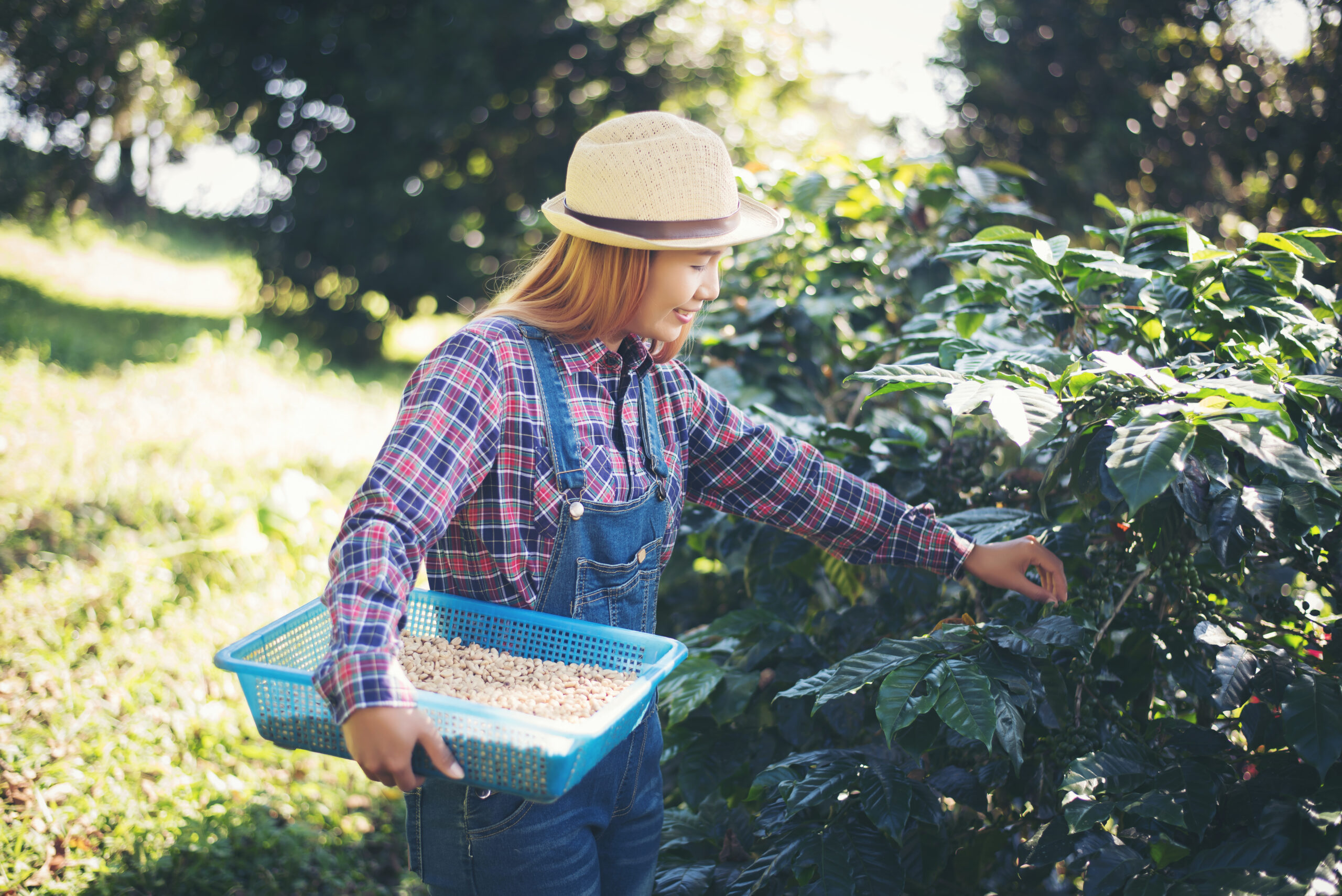
The term “specialty coffee” has a specific meaning in the industry. It refers to coffee that has been scored 80 points or above (out of 100) by a certified Q Grader — a trained professional who evaluates coffee for quality. Specialty coffee is traceable to a specific farm, region, or producer, and every step of its journey — from the way it’s grown, picked, processed, and roasted — is done with care.
Specialty coffee is the opposite of commodity coffee (the kind mass-produced and sold cheaply in large volumes with no regard for origin or quality). Specialty coffee prioritises quality at every stage of the supply chain, and the result is a cup that’s dramatically more complex and interesting.
What Makes Specialty Coffee Different?
Several things set specialty coffee apart from what you’d find in a supermarket jar or a drive-through chain:
- Traceability — specialty coffee tells you where it came from: the country, region, farm, even the altitude and processing method.
- Freshness — specialty roasters print a roast date on the bag. Supermarket coffee rarely does.
- Flavour complexity — specialty coffees often have flavour notes you wouldn’t expect from coffee: berries, citrus, chocolate, floral, caramel, and more.
- Ethical sourcing — specialty coffee often involves fairer prices for farmers, better growing conditions, and more sustainable practices.
- Small-batch roasting — specialty roasters typically roast in smaller quantities, giving them more control over the process.
Understanding Coffee Labels: What to Look For
When browsing specialty coffee, you’ll encounter terms that may be unfamiliar. Here’s a quick glossary:
- Origin — the country or region where the coffee was grown. Ethiopia, Colombia, Brazil, Papua New Guinea, and Kenya are popular origins.
- Processing method — how the coffee cherry was separated from the bean after harvest. Common methods: Natural (dried in the fruit, sweeter), Washed (fruit removed before drying, cleaner), Honey (partial fruit left on, a balance of both).
- Roast date — when the beans were roasted. Aim to use beans within 2–6 weeks of this date for peak freshness.
- Flavour notes — descriptors written on the bag (e.g. “blueberry, dark chocolate, caramel”). These are sensory descriptors, not added ingredients.
- Single origin vs blend — single origin coffees come from one source; blends combine multiple origins for a consistent, balanced result.
How to Start Exploring Specialty Coffee
The best way to get started is simply to try different coffees with an open mind. Here are a few practical tips:
- Start with a medium roast — it’s the most approachable and gives you a good baseline to compare from.
- Try a pour over or drip coffee — these methods showcase the nuances of specialty coffee better than espresso for beginners.
- Take note of what you enjoy — do you like fruity and bright, or chocolatey and smooth? This will guide your future purchases.
- Buy small quantities often — freshness matters. Buying a 250g bag every couple of weeks is better than a 1kg bag that sits for months.
- Browse by origin — exploring single origin coffees on myroast™ is a great way to discover what different regions taste like.
Discover Specialty Coffee on myroast™
myroast™ is Australia’s specialty coffee marketplace, connecting you directly with independent Australian roasters. Every coffee on the platform is sourced with quality and traceability in mind. Whether you’re just getting started or deepening your knowledge, browse our full range to find something that speaks to your taste.
Share:
Stay in Touch
Most Popular
Subscribe To Our Newsletter
Subscribe now for the freshest updates straight to your inbox.
Categories
Related Posts

The State of Australian Specialty Coffee 2025
A data-driven overview of the Australian specialty coffee market in 2025 — covering market size, café landscape, home brewing trends, online retail growth, and the key forces shaping the industry.

The Coffee Flavour Wheel: A Complete Guide to Understanding Coffee Taste
Discover how the Coffee Flavour Wheel works, how to read it, and how understanding it can transform the way you taste and appreciate specialty coffee.
What Is a Coffee Blend — And How Is It Different to Single Origin?
Coffee blend or single origin — what’s the difference? We explain how blends are made, why roasters blend, and when to choose each.